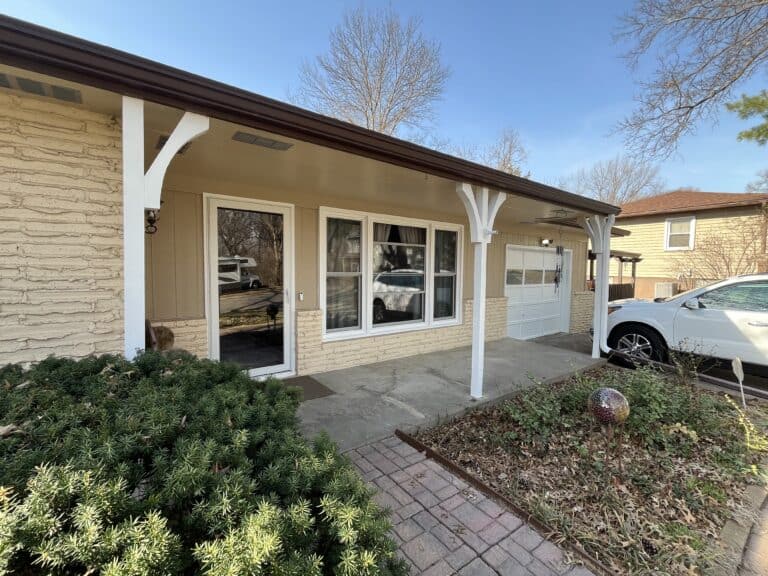

How Do You Choose the Right Siding Installation Contractor in Kansas City?
Choosing the right siding installation contractor in Kansas City means looking beyond price alone. Homeowners should pay attention to material quality, moisture protection, installation methods, and how clearly the project is planned before work begins.
Kansas City’s Trusted Siding Installation Contractor
New siding can improve curb appeal, but it also plays a major role in protecting your home. If the product is installed poorly or key details are missed, the result can be water problems, premature wear, and repairs that cost more than expected. That’s why it’s worth understanding what a siding contractor should actually be doing before you hire one.
At Stag Homes, we believe homeowners should have a clear understanding of the process, the materials, and the decisions involved. Siding projects go better when expectations are defined early and the work is handled with care.
Why Is Choosing the Right Siding Installation Contractor So Important?
Siding isn’t just a finish material. It’s part of your home’s exterior protection system. It helps shield the structure from weather, supports the appearance of the home, and affects how much maintenance you may be dealing with over time.
When a siding project is handled poorly, homeowners can run into problems like:
- Moisture intrusion behind the siding
- Rot around windows, doors, or trim
- Warping, separation, or loose panels
- Premature paint or finish failure
- Visible installation issues that affect curb appeal
- Unexpected repair costs after the project is complete
A quality siding installation contractor should think beyond installation alone, balancing curb appeal, weather performance, architectural fit, and long-term durability.
What Should You Look For in a Siding Installation Contractor?
Before you compare bids, it helps to know what separates a thoughtful contractor from one that is simply trying to move the job along quickly.
Do They Inspect the Existing Exterior Carefully?
A contractor shouldn’t treat siding replacement like a simple overlay job. Before new materials are installed, the home should be evaluated for existing issues that could affect the new system.
That includes checking for:
- Damaged sheathing
- Rot or water staining
- Failing trim
- Weak spots around windows and doors
- Improper flashing
- Existing installation problems
If those issues are missed or ignored, the new siding may cover problems instead of solving them.
Do They Help You Compare Materials Clearly?
Homeowners need more than a sample board and a color chart. A siding installation contractor should explain how different materials compare in terms of maintenance, durability, appearance, and fit for the home.
That conversation should help answer questions like:
- Which material makes sense for this style of home?
- How much maintenance should I expect?
- What kind of durability am I paying for?
- Will the finished look feel appropriate for the architecture?
- Are there trim or profile options that will improve the overall result?
The goal isn’t just to pick a product. It’s to make an informed decision.
Do They Give You a Clear Scope of Work?
A siding project should come with clear expectations before work starts. Homeowners should know what’s included, what’s not included, and how decisions will be handled if conditions change after tear-off.
A clear scope should cover:
- Siding material and profile
- Trim details
- Areas being replaced
- Related exterior items being addressed
- Cleanup expectations
- Timeline expectations
- Warranty information
If the scope feels vague early on, that usually leads to confusion later.
Why Homeowners Choose Stag Homes
- Design-build thinking, not rushed install-only mentality
- Strong communication throughout project lifecycle
- Materials selected for beauty and performance
- Respectful crews and protected job sites
- Built for long-term value, not shortcuts
How Kansas City Siding Contractors Truly Differ
Once you know what to look for, the next step is understanding how contractors actually differ in the way they run a siding project.
Planning
Some contractors move quickly to pricing without spending much time on evaluation or project planning. Others take the time to define scope, review the home carefully, and document decisions before the work begins.
That difference matters. Good planning reduces surprises, improves communication, and helps the project move more smoothly.
Installation Quality
Even strong siding materials can underperform if the installation is poor. Homeowners should look for a contractor who pays attention to the full system, not just the visible panels.
That includes:
- Proper moisture management
- Correct flashing details
- Clean transitions at trim and openings
- Manufacturer-approved installation methods
- Consistent workmanship across the entire project
Property Protection
Homeowners should also pay attention to how a contractor handles the site. Exterior work affects landscaping, windows, decks, driveways, and walkways. The job should be organized, and the property should be protected during the process.
That means asking about:
- Site prep
- Debris removal
- Daily cleanup
- Nail and fastener cleanup
- Protection for nearby surfaces and landscaping
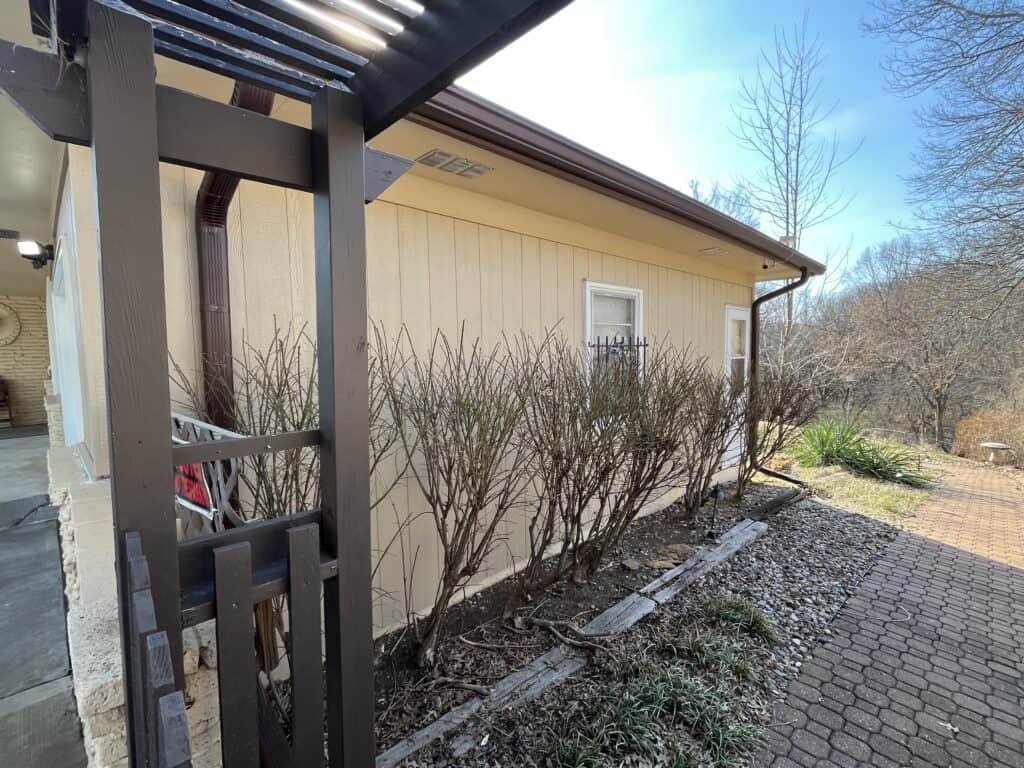
What Questions Should You Ask Before Hiring a Siding Installation Contractor?
A few direct questions can tell you a lot about how a contractor works.
- How do you evaluate the home before recommending replacement? This helps you understand whether the contractor is actually assessing the existing condition or just preparing a fast estimate.
- How do you handle material and design selections? You want to know whether they guide homeowners through those decisions or leave most of the planning unclear until later.
- What happens if you find damage after removing the old siding? This is important because hidden issues are possible once the exterior is opened up. A professional contractor should be able to explain how that would be documented, communicated, and priced.
- How will you protect the property during the project? This helps set expectations for site protection and cleanup.
- What warranties do you offer? Homeowners should understand what the manufacturer covers and what the contractor stands behind directly.
What Does the Siding Installation Process Usually Look Like?
Homeowners often feel more confident once they understand how a siding project should move from planning and design process to completion.
The exact process can vary, but homeowners should expect a siding project to follow a structured sequence rather than feel improvised.
1. Inspection and Consultation
The project should begin with a site visit, measurements, and a review of the home’s current condition. This is also the time to discuss goals, concerns, and any visible problem areas.
2. Material and Design Decisions
Before work begins, the siding material, profile, trim details, and color selections should be defined. This helps prevent rushed decisions once the project is underway.
3. Preparation and Protection
Before tear-off starts, the property should be protected. That can include landscaping, decks, windows, and surrounding surfaces. Existing materials should be removed carefully and disposed of properly.
4. Installation
Installation should follow the project scope and manufacturer requirements. This is where attention to detail matters most, especially at corners, trim lines, windows, doors, and transitions.
5. Walkthrough and Cleanup
At the end of the job, there should be a final review of the work, a clean site, and a clear explanation of any warranty or maintenance points the homeowner should know going forward.
What Impacts Siding Installation Cost in Kansas City?
Siding installation costs can vary widely because every home is different. The final investment usually depends on the material selected, the size and layout of the home, and whether repairs or upgrades are needed once the old siding is removed.
When comparing estimates, homeowners should make sure they are comparing the full scope of work, not just the lowest price. Lower bids sometimes leave out important details that affect long-term performance.
Material Selection
The siding product itself is one of the biggest cost factors. Vinyl siding is often one of the more budget-friendly options, while fiber cement, engineered wood, natural wood, and stone veneer accents typically require a higher material and labor investment.
Home Size, Architectural Complexity, and Access
Larger homes generally require more material and labor, but layout matters too. Multiple stories, complex rooflines, dormers, bump-outs, and hard-to-reach elevations can increase installation time and project complexity.
Trim, Soffit, and Exterior Details
Many siding projects also involve trim boards, fascia, soffit, columns, decorative accents, or gutter tie-ins. These details can significantly affect both appearance and final pricing.
Existing Damage Behind the Siding
Once old siding is removed, contractors may uncover damaged sheathing, rot, moisture intrusion, or outdated flashing details. These issues should be corrected before new siding is installed.
Design Choices and Customization
Board and batten accents, mixed materials, wider trim packages, custom color combinations, and upgraded exterior finishes can all raise the overall project cost while creating a more tailored final result.
Insulation and Weather Protection Upgrades
Some homeowners choose to improve insulation, house wrap, moisture barriers, or air sealing during the project. These upgrades can add upfront cost while improving comfort and efficiency.
Why Estimates Can Differ So Much
Two bids may look similar on the surface while including very different scopes of work. One contractor may price only the visible siding replacement, while another includes trim replacement, moisture corrections, cleanup, warranties, and stronger installation details.
What Are the Signs Your Siding May Be Damaged?
Before deciding whether to repair or replace siding, it helps to know what kinds of problems homeowners should be watching for.
Siding damage is not always obvious right away. Sometimes it shows up as visible wear, and sometimes it appears through moisture-related issues or changes around the home. Catching those signs early can help you avoid larger repairs later.
Common Signs To Look For
- Cracks, gaps, or loose sections: Panels that are split, pulling away from the home, or no longer aligned properly may not be protecting the house as they should.
- Warping or buckling: Bowed, rippled, or uneven areas can point to damage, poor installation, or moisture problems behind the siding.
- Rot or soft spots: Soft trim or siding, especially around windows, doors, corners, or lower walls, can be a sign of moisture intrusion.
- Fading, peeling, or surface breakdown: Widespread wear may mean the siding is aging out or no longer performing well.
- Interior warning signs: Water stains, drafts, peeling interior paint, or musty odors near exterior walls can sometimes point to siding or moisture issues.
- Storm-related damage: Hail, wind, and repeated weather exposure can crack siding, loosen panels, or create openings where water can get in.
Should You Repair or Replace Your Siding?
Once damage is identified, the next step is deciding whether a repair is enough or whether a full replacement makes more sense.
Not every siding issue means you need full replacement. In some cases, a targeted repair is enough. In others, replacing the siding is the better long-term decision. The key is looking at the extent of the damage, the age of the siding, and whether the problems are isolated or showing up across multiple areas of the home.
When Does Siding Repair Make Sense?
Repair may be the right option when the problem is limited and the rest of the siding is still in good condition.
Repair often makes sense for:
- A small area of storm or impact damage
- One section with loose or cracked panels
- Minor trim damage
- A localized moisture issue that has been caught early
- Siding that is otherwise in good shape and still has useful life left
In these cases, repair can help extend the life of the exterior without taking on the cost of a full replacement.
When Is Full Siding Replacement The Better Choice?
Replacement usually makes more sense when the problems are no longer isolated or when the siding is starting to fail as a system.
Replacement may be the better option when you have:
- Widespread cracking, warping, or separation
- Repeated repair needs in multiple areas
- Rot, water damage, or underlying wall concerns
- Fading or wear across large sections of the home
- Older siding that no longer performs reliably
- An exterior that needs a more cohesive update overall
At that point, continuing to patch problem areas can become less cost-effective. Replacing the siding may give you a better long-term result and a more consistent finish across the home.
What Should Homeowners Consider Before Deciding to Repair or Replace?
Before choosing repair or replacement, it helps to ask a few practical questions:
- Is the damage limited to one area or showing up in several places?
- Is the siding still in good condition overall?
- Are there signs of moisture getting behind the system?
- Will a repair blend in, or will it leave the exterior looking uneven?
- Are you trying to solve a short-term issue or make a longer-term investment in the home?
A good siding installation contractor should help you look at the full picture, not just recommend the bigger project by default. Sometimes repair is the smart move. Sometimes replacement is what protects the home better and saves you from repeated issues later.
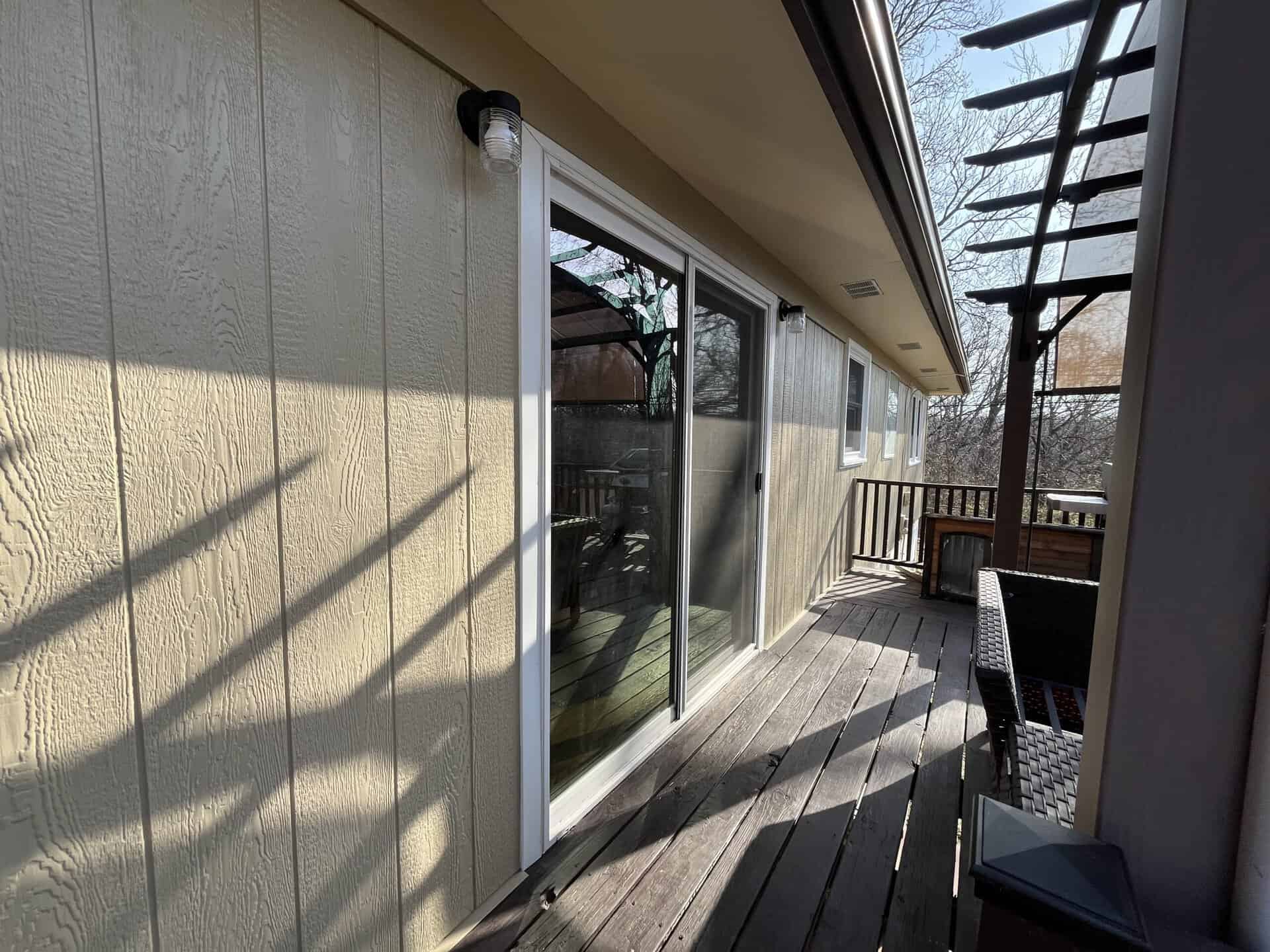
Best Siding Materials for Kansas City Homes
After the contractor and repair questions are covered, it helps to understand the material options themselves.
Homeowners usually compare siding based on appearance, maintenance, durability, and cost. The most common options include vinyl, fiber cement, engineered wood, wood, metal, and stone veneer, though vinyl and fiber cement are often the most common starting points for residential projects.
Vinyl Siding
Vinyl siding is often chosen because it is budget-friendly, low-maintenance, and available in many colors and profiles. It can be a practical option for homeowners who want a clean exterior update at a lower price point.
One tradeoff is that vinyl can be more vulnerable to impact damage and, depending on product quality and conditions, may be more prone to warping than more rigid materials.
Fiber Cement Siding
Fiber cement is a popular choice for homeowners who want strong durability, a more substantial look, and lower maintenance than traditional wood. It is often selected in Midwest markets because it handles moisture, seasonal weather swings, and long-term wear well when installed properly.
The tradeoff is that it typically costs more than vinyl and is heavier and more labor-intensive to install.
Engineered Wood Siding
Engineered wood gives homeowners a wood-look option with more built-in resistance than traditional wood. It can be a good middle ground for those who want warmth and texture without as much upkeep. It is also often discussed as a durable option in climates that see weather exposure and hail.
Wood, Metal, And Stone Veneer
These materials can also be used, but they are usually chosen for more specific architectural or design goals.
- Wood siding offers a classic look but usually requires more maintenance over time.
- Metal siding can work well on some home styles, especially more modern exteriors.
- Stone veneer is often used as an accent rather than a full-house siding material, and Kansas City cost guides list it alongside fiber cement and vinyl as a common exterior material consideration.
What Siding Choices Are Popular in Kansas City?
Material options are easier to narrow down once you consider what tends to work well in the Kansas City area.
In Kansas City, homeowners often gravitate toward siding options that can handle humidity, storms, temperature swings, and winter weather. That is one reason fiber cement and vinyl tend to be popular local choices. Kansas City market guides point to both materials regularly, with fiber cement often favored for durability and vinyl often chosen for affordability.
For many homeowners, the decision comes down to priorities:
- Choose vinyl siding if budget, lower maintenance, and a straightforward exterior refresh are the biggest priorities.
- Choose fiber cement siding if durability, a more elevated appearance, and stronger long-term performance are higher on the list.
- Consider engineered wood siding if you want more wood character with less upkeep than traditional wood.
In this area, it also makes sense to think beyond the siding panel itself. Kansas City weather puts pressure on the full exterior, so homeowners should pay close attention to trim details, flashing, moisture management, and installation quality, not just the face material.
Mixed-humid and freeze-thaw climate guidance consistently emphasizes moisture control and weather detailing as key to long-term durability.
What Siding Design Options Should You Consider?
Once the material is narrowed down, homeowners can start thinking about how they want the finished exterior to look.
When homeowners think about siding design, they often start with color. That matters, but it is only one part of the decision. The overall look of the home is also shaped by the profile, direction, trim package, and how different materials are combined.
Lap Siding
Lap siding is one of the most common and versatile options. It works well on many Kansas City home styles and can read as either more traditional or more updated depending on the reveal, color, and trim details.
Board And Batten
Board and batten remains a popular design choice for homeowners who want more vertical lines and a stronger architectural statement. It is widely available in materials like fiber cement, vinyl, and engineered wood.
Mixed Siding Styles
Many homeowners also combine profiles to add dimension. For example, a home might use:
- Lap siding on the main body
- Board and batten on gables or accent sections
- Stone veneer at the base or around the entry
That kind of mix can help the exterior feel more intentional, especially on larger homes or homes with multiple rooflines.
Trim And Color Decisions
Trim has a big effect on the final look. Homeowners should think about:
- Whether they want higher contrast or a more blended palette
- How wide the trim should be around windows and doors
- Whether soffit, fascia, and gutters should be updated at the same time
- How the siding color works with roofing, stone, brick, or other fixed exterior elements
In our experience, the best siding design decisions are the ones that fit the architecture of the home rather than chasing whatever is trending. The goal is not just to make the exterior look newer. It is to make it look more cohesive and better resolved.
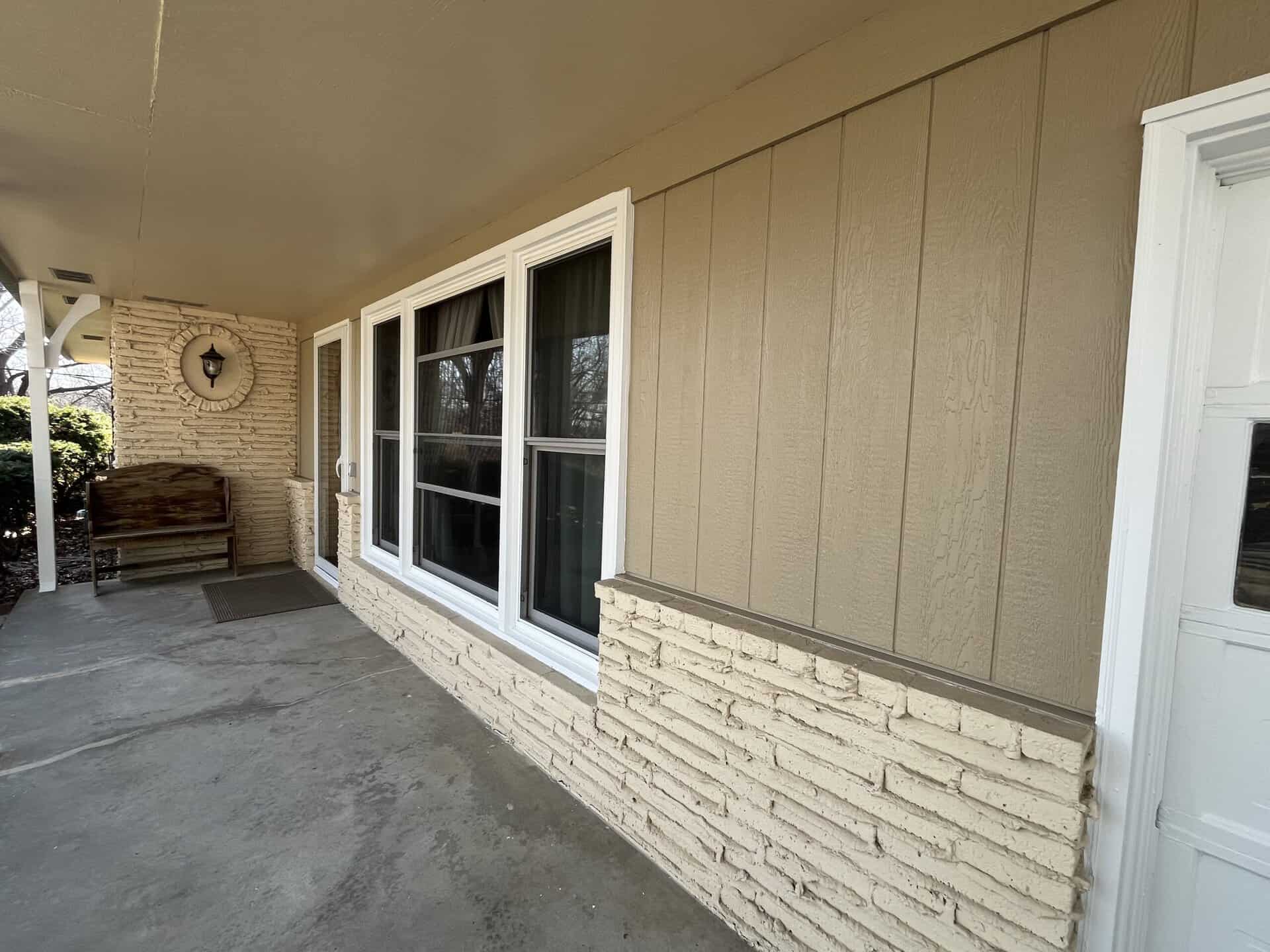
FAQs About Hiring a Siding Installation Contractor
Here are a few common questions homeowners may still have after comparing contractors, materials, and project scope.
How do I choose a siding installation contractor?
Look for a contractor who evaluates the home carefully, explains material options clearly, defines the scope of work, and communicates in a way that feels organized and professional.
Is the lowest bid usually the best option?
Not necessarily. A lower bid may leave out repair work, trim details, property protection, or other important parts of the project. It’s important to compare scope, not just cost.
How long does a siding project take?
That depends on the size of the home, the scope of work, and material availability. A contractor should be able to explain the expected timeline before the project begins.
Should I replace trim, soffit, or gutters at the same time?
In some cases, yes. If those elements are worn or affect how the new siding system performs, it may make sense to address them as part of the same project.
Ready To Improve Your Kansas City Home’s Exterior With A Team That Builds With Care?
If your siding is aging, damaged, or simply no longer fits the home you love, Stag Homes can help you evaluate the right next step with clarity and confidence.
At Stag Homes, homeowners can expect:
- A guided, organized process from consultation through final walkthrough
- Careful planning before work begins
- Property protection during construction
- A 2-year labor warranty plus applicable manufacturer coverage
- A team that is fully licensed and carries comprehensive insurance coverage
We work with homeowners throughout Kansas City, Leawood, Overland Park, and Shawnee, and we’d be glad to help you think through the right next step for your home. If you’re ready to talk through your siding goals, contact us to book your consultation.
Enjoy content from Stag Homes Design Build? Make us one of your preferred sources on Google.