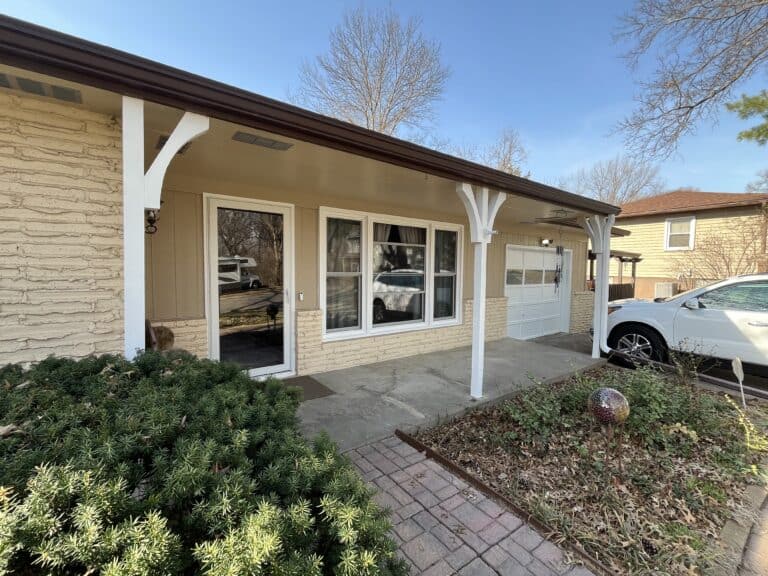

What Should You Know Before Starting a Bathroom Renovation?
A successful bathroom renovation starts with layout, planning, and process, not finishes. The right approach improves how the space functions, reduces surprises, and leads to a result that holds up over time.
What Actually Shapes the Outcome of a Bathroom Renovation?
Planning a bathroom renovation starts with three things: a functional layout, molding your scope around the desired budget, and a clear process. A well-done remodel is not just about finishes. It is about building a space that works better, lasts longer, and feels right every day.
When homeowners first think about remodeling a bathroom, they usually picture tile, lighting, vanities, or a larger shower. Those choices matter, but they are not what determine whether the project goes smoothly. The real outcome is shaped much earlier by planning, space decisions, plumbing realities, material performance, and the quality of construction.
At Stag Homes, we guide bathroom renovations with that bigger picture in mind. This guide walks through what counts as a renovation, when it makes sense, what drives cost, where homeowners get tripped up, and how to make decisions with more confidence from the start.
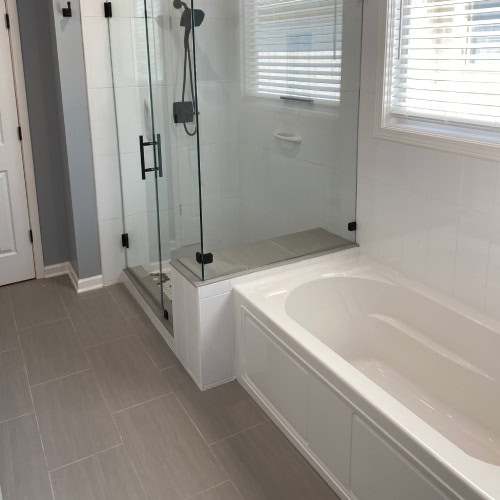
Remodel vs. Renovation: Is There a Difference?
Homeowners often use bathroom remodel and bathroom renovation to mean the same thing, and in everyday conversation, that is usually fine. But there can be a difference.
A bathroom renovation typically means updating what is already there. That may include replacing finishes, fixtures, tile, lighting, or cabinetry while keeping the basic layout intact.
A bathroom remodel usually goes further. It changes how the space works, not just how it looks. That might mean moving plumbing, reworking walls, expanding the footprint, improving storage, or rethinking the layout entirely.
In reality, many projects include elements of both. A bathroom may start as a renovation and become more of a remodel once bigger functional changes are introduced.
Here is a simple way to think about the range of work:
- A cosmetic update focuses on surface-level improvements like paint, mirrors, fixtures, or a vanity replacement.
- A partial renovation may include new flooring, tile, lighting, cabinetry, or a shower surround while keeping the same footprint.
- A full renovation takes the room down much further and rebuilds it with new finishes, fixtures, waterproofing, and better organization.
- A full remodel is the most involved. It may include layout changes, plumbing relocation, wall adjustments, or expansion into adjacent space.
Not every bathroom needs a full reset. Sometimes a refresh is enough. But when the room has poor flow, aging materials, limited storage, or daily frustration built into it, a more substantial project usually makes better long-term sense.
Signs It’s Time for a Bathroom Renovation
Some bathrooms make it obvious they need help. Others still “work” on paper but create small frustrations every day.
Signs it may be time for a renovation include:
- The layout feels cramped or inefficient
- Finishes are worn, dated, or hard to maintain
- You have leaks, moisture damage, or ventilation problems
- Storage is limited or poorly placed
- The room no longer fits your routine
- You need better accessibility or aging-in-place planning
A bathroom does not have to be falling apart to justify renovation. Many projects start because the room no longer supports how the homeowner actually lives. That is often the right reason to act. Remodeling should solve problems, not just update appearances.
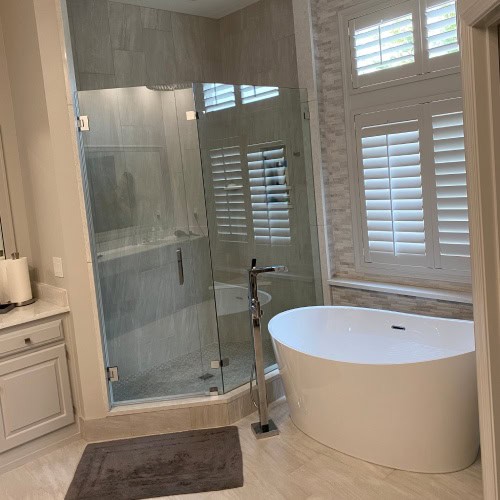
Start With Function, Not Finishes
One of the most common mistakes in a bathroom renovation is starting with materials before the room has been properly planned.
Tile, hardware, and lighting are visible. Function is what you feel every morning and every night. That is why we guide Kansas City homeowners to start with use, not style.
Ask these questions first:
- Who uses the bathroom every day?
- Is it a primary bath, guest bath, or powder room?
- Do we need more storage, and where should it go?
- Does privacy matter within the room itself?
- Would daily life improve more with a larger shower, a tub, or both?
- Are there accessibility concerns now or in the near future?
The best bathroom renovation is rarely the one with the most dramatic finish palette. It is the one that solves the right problems with clarity. That may mean better vanity spacing, a more usable shower, improved circulation, or simply a room that feels calmer because it is organized well.
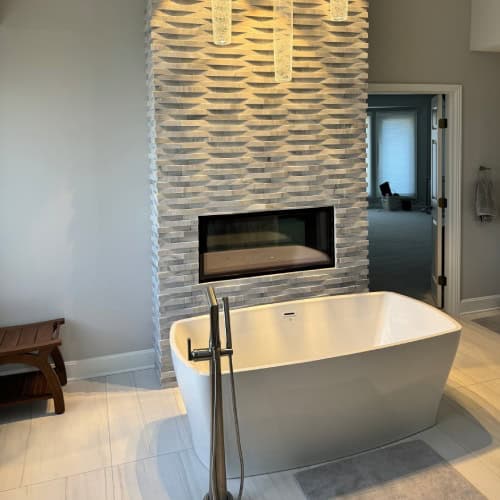
How a Clear Process Protects Your Bathroom Remodel
A bathroom remodel usually looks straightforward from the outside. In reality, it is one of the most detail-heavy projects in the home. Layout decisions, plumbing locations, finish coordination, waterproofing, construction sequencing, and communication all need to work together.
That is why process matters so much. A clear design-build approach helps reduce surprises, create better decisions earlier, and give homeowners more confidence from the first conversation through construction.
The Stag Homes design-build process includes:
- Thoughtful Conversation
Every project starts with a conversation. We listen to your goals, discuss feasibility, and confirm we’re the right fit before moving forward. - In-Home Evaluation
We visit your home to review the space, take measurements and photos, and discuss the scope in detail. This allows us to plan accurately and responsibly. - Pre-Construction Design Agreement
For projects that move into detailed planning, we begin with a design agreement. This phase includes layouts, engineered plans, 3D renderings, material selections, and defined budget parameters. It’s how we eliminate assumptions and prevent surprises. - Clear Proposal And Approval
With plans and selections finalized, we provide a detailed, highly accurate proposal based on real inputs, not estimates. - Build With Dedicated Oversight
Once approved, we schedule construction. You’ll have one primary point of contact throughout the build, plus access to an online portal with regular updates and photos. - Enjoy The Finished Project
The project is complete when the work matches the plan and meets the standard. If something needs attention after completion, you’ll always know who to call.
This is where most contractors fall short. Stag Homes focuses on leadership, not just labor, aligning with their core mission of accountability and client care.
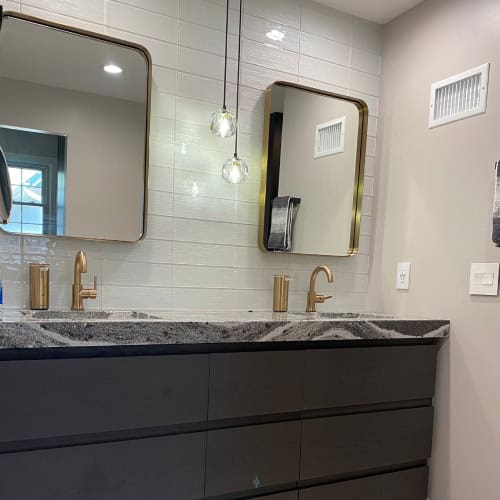
Layout Decisions That Have the Biggest Impact
In many bathroom renovations, layout matters more than square footage. A larger bathroom can still feel awkward if the space is planned poorly, while a smaller one can feel calm and highly functional when each decision is intentional.
A few layout choices tend to shape the final result more than anything else.
Should You Move Plumbing in a Bathroom Remodel?
Moving plumbing can improve the layout, but it also adds cost and complexity. The real question is whether it solves a meaningful problem.
It may be worth it if moving plumbing will:
- improve circulation
- create a more functional vanity or shower area
- fix an awkward or cramped layout
- make the space work substantially better day to day
It may not be worth it if:
- the layout improvement is minor
- the existing locations already work reasonably well
- the budget would go further in better materials, storage, or construction quality
What Makes a Bathroom Layout Feel More Functional?
A functional bathroom should feel easy to move through and comfortable to use. Before finishes ever come into play, layout is what makes the room feel calm, intuitive, and well resolved.
Details that make a big difference include:
- door swings that do not interfere with vanities or walkways
- shower entries that avoid tight pinch points
- toilet placement that feels intentional, not exposed
- enough clearance for daily movement
- storage placed where it is actually useful
How Much Vanity Space Do You Really Need?
Vanity planning affects daily life more than many homeowners expect. It is not just about width. The best vanity setup depends on how the bathroom is used every day.
Things to think through:
- drawer storage versus cabinet storage
- usable counter landing space
- mirror size and placement
- lighting at the vanity
- whether one or two people will use the space at the same time
Is an Open Shower or a Closed Shower Better?
The better choice depends on how the bathroom needs to function.
Open showers can offer:
- a cleaner, more modern look
- better sightlines
- a more open feel
Closed showers can offer:
- better heat retention
- more splash control
- greater comfort for daily use
How Do You Make a Small Bathroom Feel Bigger?
A small bathroom usually feels bigger when the layout is simplified, not when more is added.
The most effective ways to open it up often include:
- reducing visual clutter
- improving sightlines
- using smarter storage
- choosing appropriately scaled fixtures
- giving each element enough space to breathe
Good design usually comes from solving constraints well, not from trying to fit in more features.
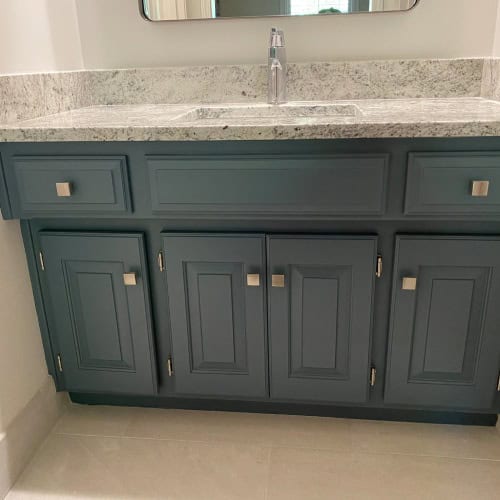
Lighting, Ventilation, and Other Details Homeowners Often Overlook
A bathroom renovation can look finished and still feel wrong if the practical details were treated as secondary.
Lighting is a major example. Good bathrooms use layered lighting, not a single overhead fixture doing all the work. That usually means a mix of ambient light, vanity lighting, and sometimes accent lighting, depending on the room.
Ventilation is just as important. Bathrooms generate moisture constantly, and poor ventilation can shorten the life of finishes, increase maintenance, and contribute to mold issues. The U.S. Environmental Protection Agency notes that controlling indoor moisture is one of the most important ways to prevent mold growth in homes. Read the EPA’s moisture control guidance.
Other details that deserve more attention include:
- Mirror size and placement
- Outlet locations
- Storage niches
- Towel bar and hook placement
- Heated flooring
- Shower lighting
- Drawer organization
- Clearances around doors and fixtures
These details are easy to dismiss during planning because they are small on paper. In real life, they shape how the room works every day.
How to Set a Realistic Budget for a Bathroom Renovation
Bathroom renovation pricing varies widely because the work itself varies widely. That is why generic national averages are often less helpful than homeowners think.
In the Kansas City area, broad estimates for bathroom remodels often land around $15,000 to $75,000 for more basic projects, with local averages near $10,000, but those numbers usually reflect lighter-scope work rather than a fully tailored design-build remodel.
For a more practical planning framework, it often helps to think in tiers:
- Cosmetic or light-scope bathroom updates: often start around $5,000 to $15,000
- More complete bathroom remodels with higher-quality finishes: often land in the mid-teens to $30,000+ range
- Primary bathroom remodels with layout changes, custom cabinetry, tile work, and plumbing relocation: can climb well beyond that, depending on complexity and selections
That is also why broader remodeling industry reports often show midrange bath remodels in the mid-$20,000 range in this region.
The bigger question is what is driving the cost.
The main budget factors usually include:
- Size of the room
- Age and condition of the home
- Whether plumbing or walls are moving
- Material and fixture selections
- Custom cabinetry or specialty features
- Tile complexity
- Hidden conditions uncovered during demolition
Bathrooms can change quickly once walls are opened. Framing issues, outdated wiring, poor prior work, and plumbing complications are not rare. This is one reason detailed planning matters so much. A properly defined scope does not eliminate every unknown, but it does reduce avoidable surprises.
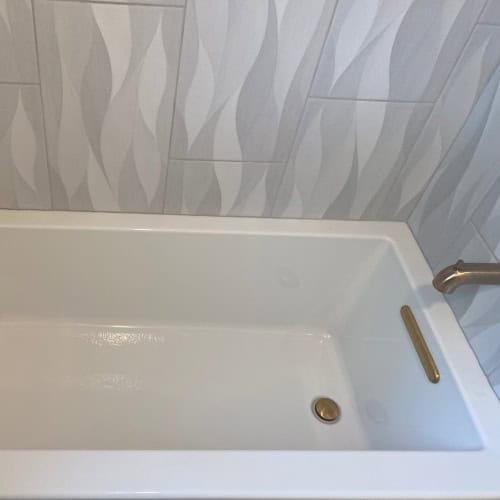
Common Bathroom Renovation Mistakes to Avoid
Most bathroom remodeling mistakes start before demolition. Here are some of the most common ones we see:
- Prioritizing appearance over function: A bathroom can look beautiful in photos and still be frustrating to use every day if the layout is not working.
- Underestimating storage needs: Bathrooms need room for everyday essentials, not just a clean countertop on installation day.
- Choosing materials based on trend rather than longevity: What feels current now may date quickly or require more maintenance than expected.
- Overlooking lighting: A single overhead fixture is rarely enough. Good bathroom lighting needs to support both function and comfort.
- Ignoring ventilation: Poor ventilation can shorten the life of finishes and create moisture problems over time.
- Rushing the scope: When decisions are made too quickly, important details often get missed, and those misses tend to show up later during construction.
- Treating price as the only decision-maker: Cost matters, but it should be weighed alongside process, planning, craftsmanship, and how well the project is actually defined.
- Skipping design or pre-construction work: This is one of the most expensive mistakes homeowners can make. It may feel like an extra step, but it is often what keeps the rest of the project from becoming reactive.
Renovating in an Older Home Comes With Extra Considerations
Older homes often require more investigation and more precise planning. Once work begins, it is common to uncover conditions that affect the scope, schedule, or final design.
That may include:
- Outdated plumbing or electrical work
- Uneven floors, walls, or framing
- Previous repairs or workmanship issues
- Conditions that do not align with current code requirements
These are not unusual discoveries. They are part of why older-home bathroom projects benefit from a design-build process that allows for careful evaluation, thoughtful adjustment, and decisions that protect both the house and the finished result.
Why the Right Team Matters in a Bathroom Renovation
A bathroom remodel is not just a finish project. It is a coordination project, a problem-solving project, and a craftsmanship project.
That means the right team should offer more than labor. Homeowners should look for:
- Clear communication
- Realistic planning
- An organized process
- Transparency around scope and pricing
- Attention to craftsmanship and detail
- The ability to adapt without creating chaos
This is where trust is built. Not through broad promises, but through how decisions are handled, how clearly the work is explained, and how well the project is led when conditions shift.
Final Thought: A Bathroom Renovation Should Work as Well as It Looks
A successful bathroom renovation is not defined by fixtures alone. It comes from thoughtful planning, practical layout decisions, durable material choices, and a process that stays organized from start to finish.
That is how a room becomes easier to use, easier to maintain, and more aligned with the way you actually live.
At Stag Homes, we believe a remodel should feel just as solid behind the walls as it does in the finished space. Homeowners deserve clear guidance, careful planning, and a team that knows how to lead a project without creating confusion or compromise along the way.
If you are thinking about a bathroom renovation and want a process that is organized, intentional, and built around both craftsmanship and care, contact Stag Homes today to start your project.
FAQs About Bathroom Renovation
It depends on the scope. A simpler remodel may move faster, while a full bathroom renovation with layout changes, custom selections, and older-home conditions will take longer. The timeline becomes much more reliable when the design and scope are clearly defined before construction begins.
That depends on the project, but the biggest cost drivers are usually layout changes, tile work, custom cabinetry, plumbing adjustments, and the labor required to execute the work properly. Hidden conditions in older homes can also affect cost.
Sometimes, yes. If moving plumbing creates a dramatically better layout or solves a major function issue, it can be worth the added complexity. If the benefit is minor, keeping plumbing in place may be the smarter use of the budget.
That depends on the home, the household, and how the bathroom is used. Some homeowners benefit more from a larger, better shower. Others want or need a tub for children, comfort, or resale considerations. The answer should come from the way the home actually functions.
Better layout, quality materials, thoughtful storage, strong lighting, and durable construction usually add more long-term value than trend-driven finish choices alone. Function and longevity matter.
In most full renovations, that bathroom will be out of service during construction. If it is the only bathroom in the home, that needs to be addressed during planning. Clear expectations before the project begins help reduce stress once work starts.
It depends on the scope of the work. Cosmetic updates may not require permits, but projects involving plumbing, electrical, structural changes, or layout adjustments often do. A well-run process should account for those requirements early so the project moves forward the right way.
Start with the parts of the bathroom that affect daily function most: layout, storage, lighting, ventilation, and shower or tub design. Finishes matter, but they should support a room that works well, not distract from one that does not.
Enjoy content from Stag Homes Design Build? Make us one of your preferred sources on Google.